Certification Hurdles in RNG Evaluation Shift Slot Game Rollout Timelines in International Markets
Eden Koch · Jul 29, 2026
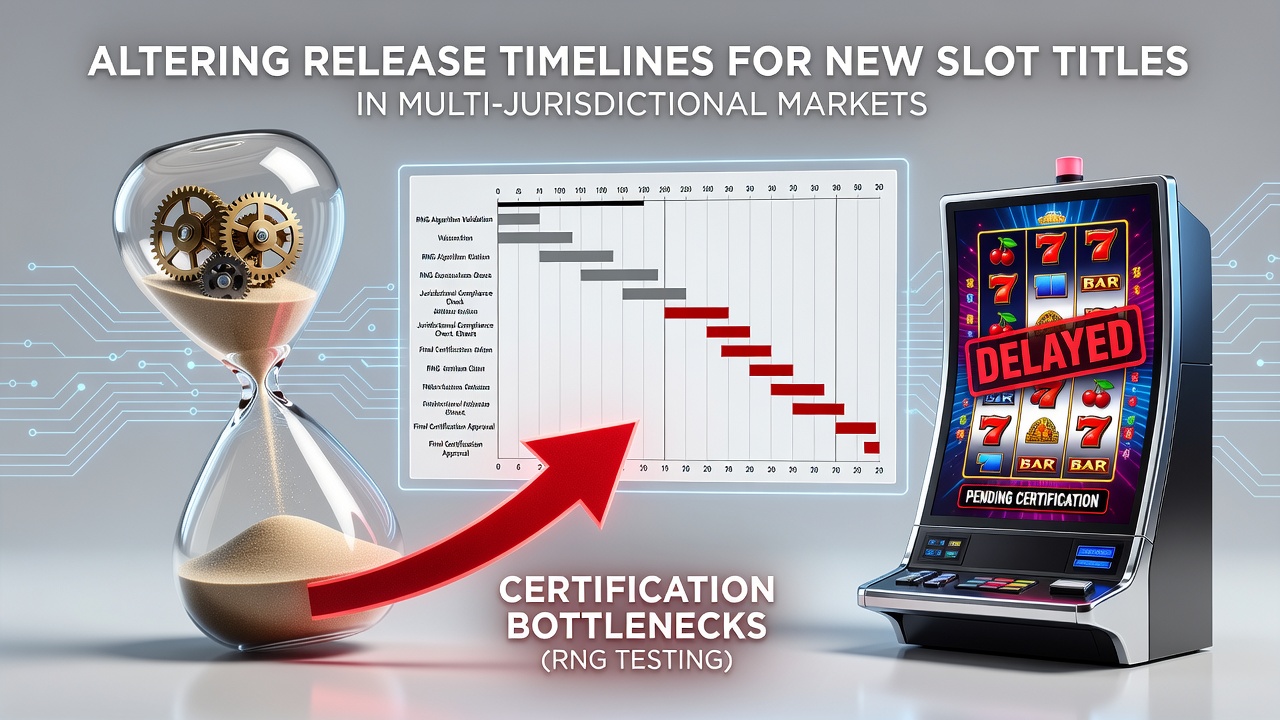
Certification Hurdles in RNG Evaluation Shift Slot Game Rollout Timelines in International Markets
Random number generator certification stands as a core requirement for slot titles seeking approval in multiple regulated markets, and backlogs at independent testing facilities have extended the time between development completion and commercial launch. Developers submit RNG code and game logic to accredited labs for statistical validation, yet demand has outpaced laboratory capacity in several jurisdictions simultaneously.
Core Requirements for RNG Approval Across Regions
Each market imposes distinct evaluation criteria that labs must apply before issuing compliance reports, and these variations force sequential rather than parallel processing for the same title. North American state regulators often reference standards from the Gaming Standards Association, whereas European authorities align with technical specifications issued by bodies such as the Malta Gaming Authority, and Australian states follow guidelines from the New South Wales Liquor and Gaming authority. The result is that a single slot title may undergo three or more separate review cycles before all required seals are obtained.
Testing protocols examine long-run distribution uniformity, autocorrelation, and resistance to prediction under defined seed conditions. Labs generate millions of outcomes per test suite, then compare results against chi-square and runs-test thresholds established in each jurisdiction's technical framework. When a title fails any single metric, developers must adjust parameters and resubmit, adding weeks to the overall timeline.
Backlog Drivers Observed Through Mid-2026
Volume of submissions increased sharply after several U.S. states expanded online slot offerings in 2025, while European operators prepared for updated technical standards that took effect in early 2026. Facilities reported average queue times stretching from four weeks in 2024 to nine weeks by July 2026, according to aggregated figures published by the European Gaming and Betting Association. The same report noted that titles targeting both U.S. and EU markets experienced the longest cumulative delays because resubmission cycles could not overlap.

Specialized titles that incorporate dynamic reel modifiers or progressive jackpot pools require additional test modules, further extending processing windows. Labs allocate fixed daily capacity, and complex submissions consume disproportionate resources, pushing simpler titles further down the queue. Observers note that smaller studios without dedicated compliance teams face longer effective delays because initial submissions more frequently contain documentation gaps that trigger rejection on first review.
Release Schedule Adjustments by Operators
Publishers have responded by advancing internal milestones for RNG code freeze and by maintaining parallel development tracks for titles aimed at single-jurisdiction versus multi-jurisdiction releases. Data compiled by the Canadian Gaming Association shows that average time from code freeze to first commercial availability rose from 14 weeks in 2024 to 21 weeks in the first half of 2026 for games seeking approvals in at least three regions. Operators in mature markets have begun staggering launch calendars, prioritizing titles that already hold certification in one market while others complete remaining evaluations.
Some studios now contract multiple accredited labs simultaneously, routing separate market submissions to different facilities to reduce serial dependency. This approach adds cost but compresses calendar time when regulatory calendars align. Industry reports indicate that the strategy has been most effective for titles entering North American tribal markets and Australian state systems concurrently, where approval cycles share similar documentation formats.
Market-Specific Examples and Patterns
One developer released a high-volatility slot in New Jersey and Pennsylvania within the same quarter in 2025, yet encountered an additional 11-week wait before the same title cleared evaluation for Ontario and the United Kingdom. The staggered pattern repeated across several portfolios, prompting finance teams to revise revenue forecasts that had assumed simultaneous multi-market availability. Figures released by state gaming control boards in Nevada and New Jersey show a measurable drop in the number of new slot titles approved per month during the first half of 2026 compared with the prior year.
Meanwhile, certain European markets with mutual recognition agreements have shortened effective timelines for titles already certified under compatible standards. Developers that secure initial approval in a recognized jurisdiction can submit abbreviated documentation packages elsewhere, trimming weeks from the process. This partial harmonization has not extended to transatlantic routes, where U.S. and EU technical requirements remain distinct.
Conclusion
Certification bottlenecks in RNG testing continue to lengthen release timelines for new slot titles that target multiple jurisdictions, and the pattern shows no immediate reversal through July 2026. Studios and operators have adjusted internal processes and contracting strategies to mitigate calendar slippage, yet the underlying capacity constraints at testing facilities persist. Data from regulatory bodies and industry associations indicate that multi-market titles will continue to experience extended intervals between development completion and commercial availability until laboratory throughput or regulatory alignment improves.