How Cryptocurrency Volatility Influences Tiered Reward Structures Within International Mobile Poker Networks
Casey Krüger · May 24, 2026
How Cryptocurrency Volatility Influences Tiered Reward Structures Within International Mobile Poker Networks
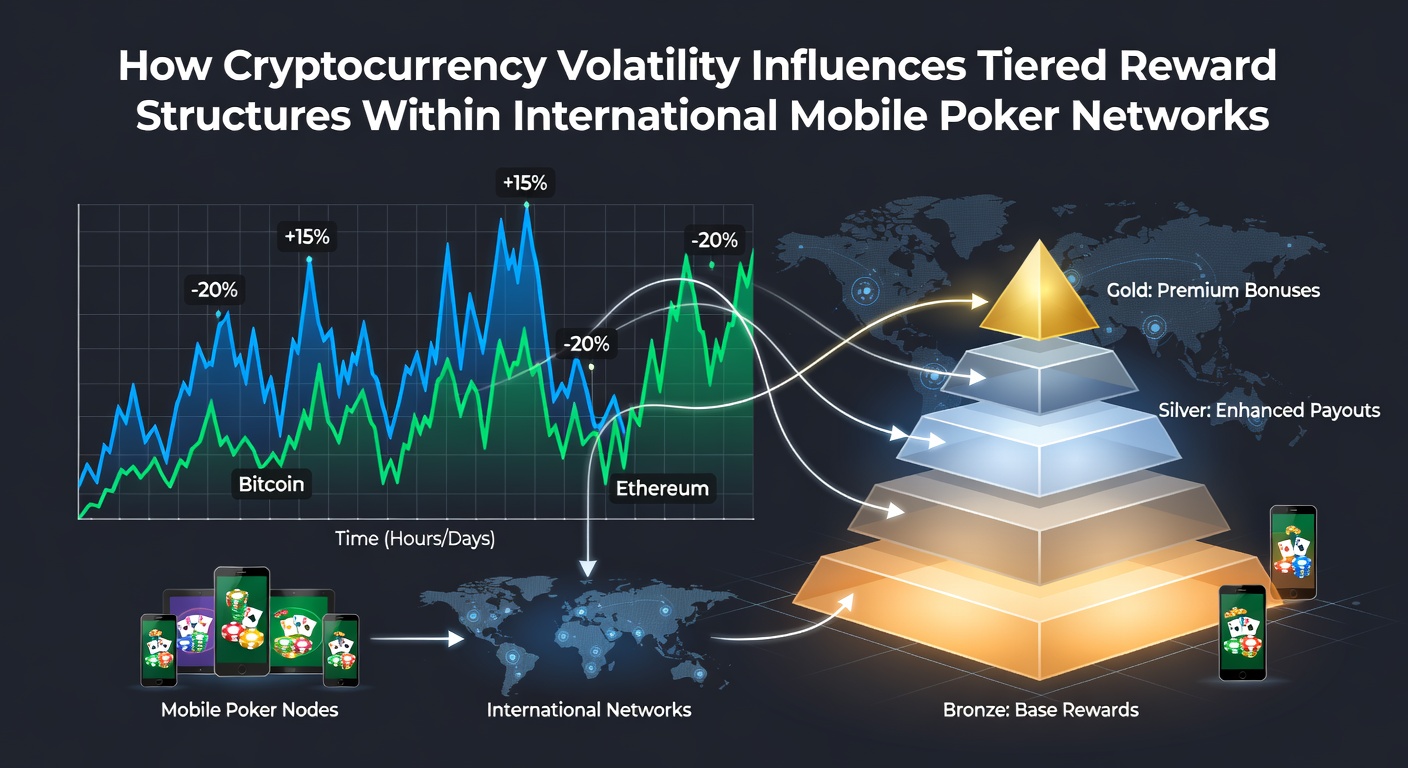
International mobile poker networks have integrated cryptocurrency into their operations over the past decade, and tiered reward structures now sit at the center of how these platforms retain players across borders. These systems assign players to levels based on volume of play, with higher tiers unlocking larger bonuses, cashback percentages, and exclusive tournament entries that often get denominated in digital assets like Bitcoin or Ethereum. Volatility in those assets directly alters the real-world value of the rewards, prompting networks to recalibrate thresholds and payout formulas in response to market swings.
Tiered Rewards and Their Dependence on Digital Assets
Mobile poker platforms maintain loyalty ladders where participants climb from bronze through platinum or diamond status by accumulating rake or tournament fees, and many convert those points into cryptocurrency credits rather than fiat. Networks operating across Europe, Asia, and Latin America adopted this model because it streamlines cross-border transfers while avoiding traditional banking friction. When cryptocurrency prices remain stable for extended periods, the tiers function predictably, yet sharp movements force operators to adjust the underlying math that determines reward size at each level.
Data from industry tracking services shows that between late 2024 and early 2026, Bitcoin experienced multiple swings exceeding 25 percent within single quarters. Those fluctuations translated into immediate changes in the purchasing power of tiered bonuses distributed through mobile apps. Players who reached gold status expecting a fixed-value reward found themselves holding assets worth substantially less or more depending on the timing of redemption, which in turn influenced retention metrics reported by several major networks.
Mechanics of Volatility Transmission Into Reward Calculations
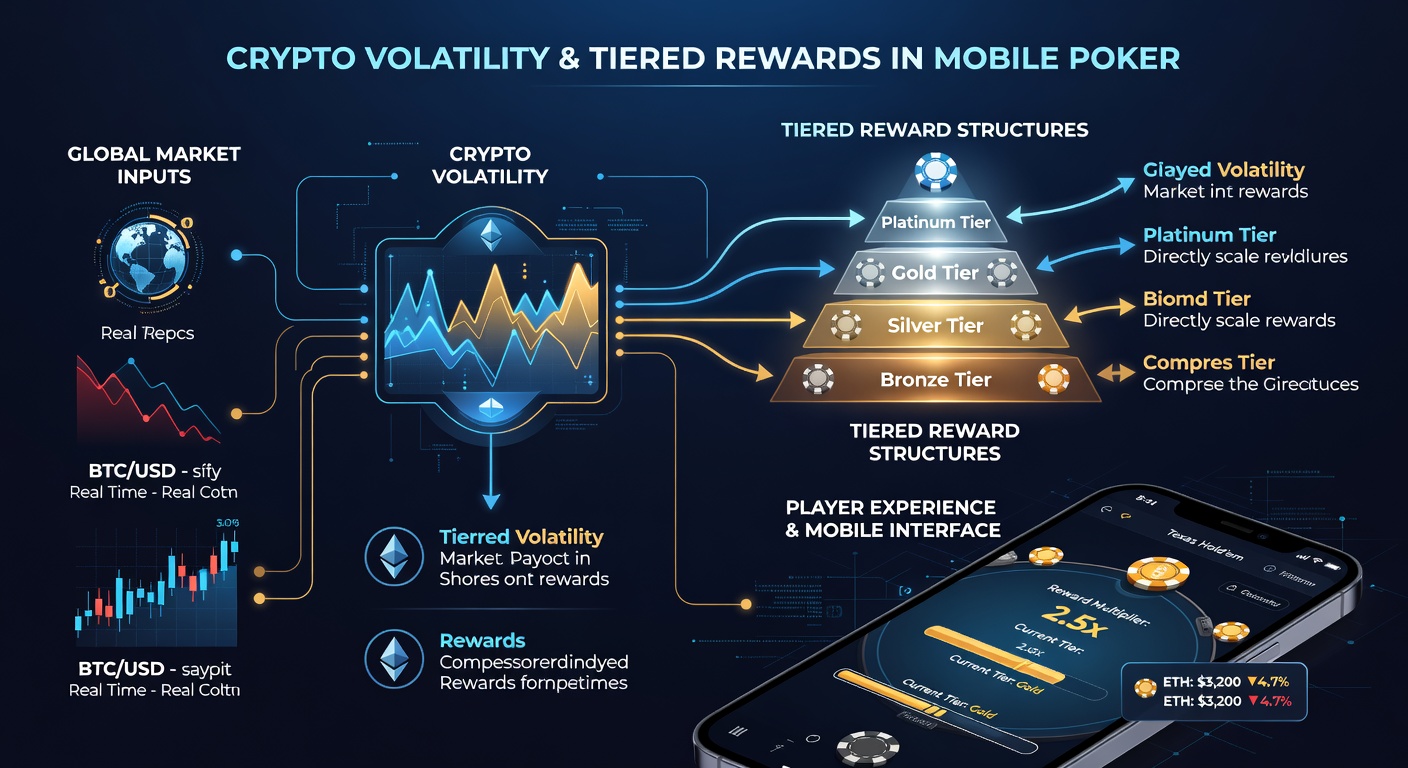
Operators calculate tier benefits using formulas that multiply accumulated player activity by a reward multiplier, then express teh result in the chosen cryptocurrency. When the asset depreciates rapidly, the nominal amount required to maintain the same economic incentive rises, so networks either increase the number of points needed to reach the next tier or shift portions of rewards into stablecoins. Conversely, appreciation periods allow platforms to reduce multipliers temporarily without losing perceived generosity, a tactic observed in several Asian-facing mobile poker rooms during the spring 2025 rally.
Researchers examining transaction logs from decentralized poker protocols noted that networks using automated smart contracts adjusted tier thresholds within hours of significant price movements. These on-chain adjustments appear in public ledgers, allowing observers to correlate volatility spikes with changes in reward distribution patterns. One documented case from a Malta-based operator showed a 12 percent upward revision in required activity points for diamond tier access following a 30 percent Ethereum drop in March 2025.
Regional Regulatory Responses and Network Adaptations
Regulatory bodies in different jurisdictions have addressed cryptocurrency use in gambling with varying degrees of specificity. The Malta Gaming Authority updated its guidance in early 2026 to require operators to disclose volatility risks to players participating in crypto-denominated loyalty programs. Similar language appears in directives from the Kahnawake Gaming Commission, which oversees several international mobile platforms. These rules compel networks to publish historical volatility data alongside tier benefit descriptions, giving participants clearer information before they commit activity toward higher reward levels.
Networks responded by incorporating hedging instruments and multi-currency reward baskets. Instead of issuing rewards solely in volatile assets, several platforms began allocating portions to stablecoins pegged to major currencies while retaining a smaller cryptocurrency component for higher tiers. This hybrid approach, documented in filings submitted to the Isle of Man Gambling Supervision Commission, reduced the amplitude of value changes experienced by players who reached platinum or above status. As of May 2026, at least four major international operators had implemented such baskets, according to reports circulated among gaming industry associations.
Player Behavior Patterns Under Volatile Conditions
Transaction data reveals that players accelerate redemptions during upward price movements and delay them when markets decline, creating predictable liquidity pressures on network treasuries. Mobile poker rooms counter this by imposing time-locked vesting periods on tier rewards or by offering immediate conversion options at prevailing rates. Observers tracking wallet activity on public blockchains have recorded clusters of redemptions immediately following announcements of major price recoveries, particularly among diamond-tier participants who hold larger accumulated balances.
Studies conducted by academic groups focusing on digital finance and gaming have examined how these behavioral shifts affect overall platform economics. One analysis of activity across three networks between 2024 and 2026 found that reward redemption velocity increased by roughly 40 percent during periods when Bitcoin rose more than 15 percent within a two-week window. The same research indicated that networks offering real-time conversion tools retained higher percentages of tiered players compared with those maintaining fixed-asset payouts.
Future Adjustments and Technological Integration
Developers continue to explore oracle-based systems that feed live cryptocurrency prices into reward engines, enabling automatic recalibration of tier multipliers without manual intervention. Several platforms have tested these mechanisms in limited rollouts, with results indicating reduced player complaints about unexpected value changes. Integration with layer-two scaling solutions also allows networks to process tier adjustments at lower costs, preserving margins even when volatility triggers frequent updates.
Industry reports from the European Gaming and Betting Association highlight that operators maintaining diversified reward portfolios experienced smaller fluctuations in player engagement metrics during the 2025 volatility episodes. European Gaming and Betting Association analysis of member data shows that platforms using stablecoin components alongside major cryptocurrencies preserved tier progression rates more effectively than single-asset systems.
Conclusion
Cryptocurrency volatility continues to shape the design and operation of tiered reward structures across international mobile poker networks through direct effects on asset valuation, regulatory disclosure requirements, and player redemption timing. Networks have responded with hybrid reward models, automated adjustment protocols, and clearer risk communication, while regulatory frameworks in multiple jurisdictions have evolved to address transparency around these dynamics. As cryptocurrency markets mature and additional technical tools become available, the relationship between price movements and loyalty mechanics will likely remain a central consideration for operators managing cross-border player bases.