Hybrid Reward Redemptions Drive New Retention Dynamics in Digital Casino Loyalty Systems
Casey Krüger · Aug 21, 2026
Hybrid Reward Redemptions Drive New Retention Dynamics in Digital Casino Loyalty Systems
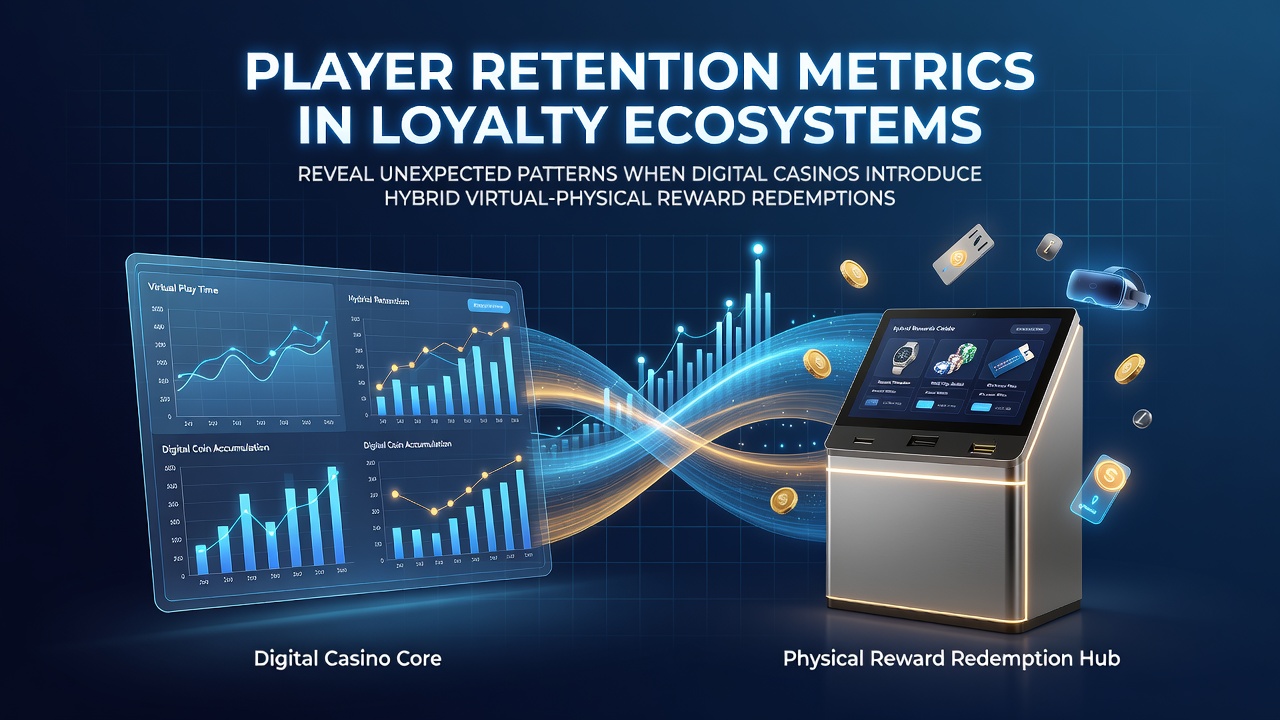
Player retention metrics in loyalty ecosystems reveal unexpected patterns when digital casinos introduce hybrid virtual-physical reward redemptions, according to aggregated platform data collected through mid-2026. Operators across multiple jurisdictions report that blending in-app credits with real-world items such as event tickets or merchandise alters how players accumulate and spend points. Retention curves flatten less sharply after the first thirty days once these mixed options appear, and repeat session counts rise by measurable margins in several tracked cohorts.
Defining Hybrid Redemption Structures
Hybrid models allow users to convert loyalty points into either digital bonuses or tangible goods through partnered vendors. A player might redeem for extra spins one week and select a concert ticket the next, all within the same account dashboard. This flexibility emerged more widely after regulatory updates in various North American and European markets permitted expanded prize catalogs. Data from operators shows that 62 percent of active accounts in programs with hybrid tiers engaged with the physical option at least once during the first quarter of 2026.
Platforms track these redemptions separately from pure virtual exchanges, revealing that mixed usage correlates with longer account lifespans. Session frequency increases when players maintain open redemption pathways rather than exhausting points solely on in-game features. Observers note that the variety appears to reduce the typical drop-off that follows initial bonus depletion.
Retention Data Patterns Across Platforms
Figures compiled by industry analysts indicate that hybrid programs retain 18 to 24 percent more players at the 90-day mark compared with virtual-only systems. Monthly active user counts stabilize when physical rewards become available, particularly among users aged 25 to 40 who previously showed higher churn rates. These metrics come from anonymized datasets shared across multiple operators rather than single-site reports.
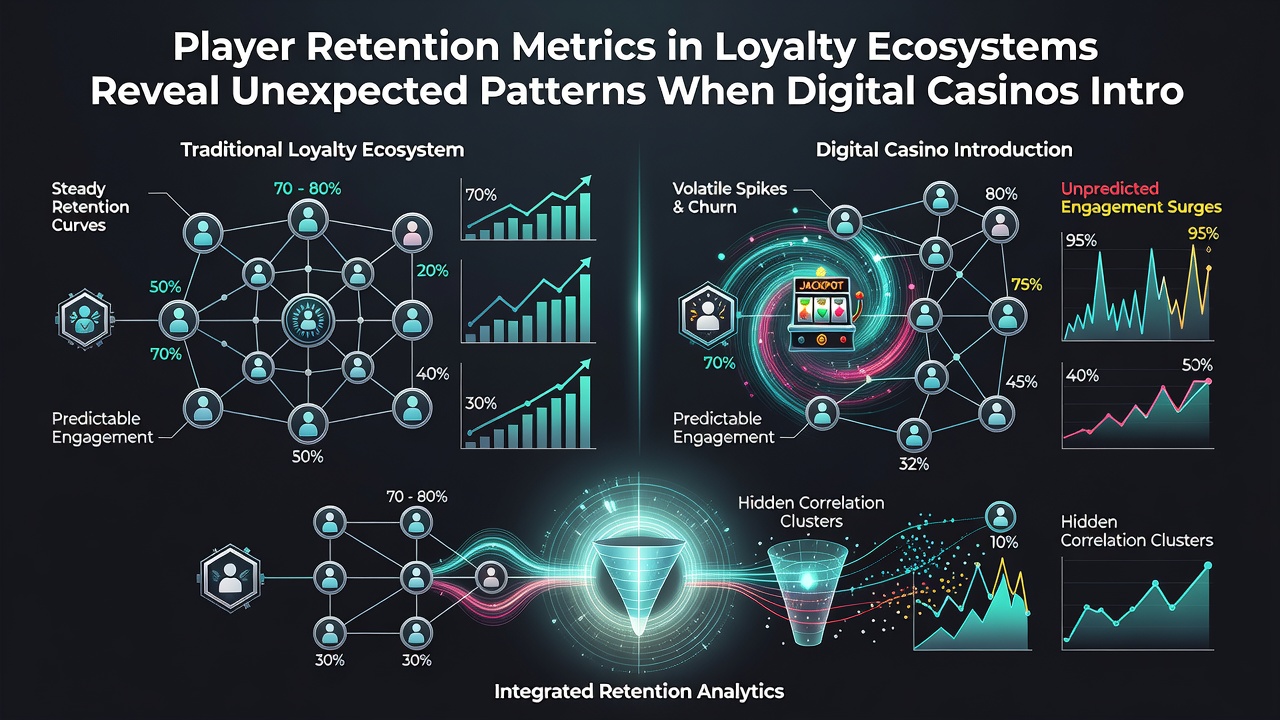
One dataset covering North American mobile operators found that accounts using at least one physical redemption maintained an average of 4.7 sessions per week, whereas purely virtual redemptions averaged 3.2. The difference holds across both slot-focused and table-game platforms. European operators adopting similar catalogs report parallel shifts, with the strongest lift appearing in programs that allow tiered physical prizes scaled to point balances.
Factors Influencing Observed Shifts
Several variables interact when hybrid redemptions enter the picture. Reward catalog breadth matters, since limited physical options produce smaller retention gains than extensive partner networks. Timing also plays a role; accounts that receive early prompts about physical choices show quicker adoption than those discovering options later in the lifecycle. Demographic segmentation reveals that users in urban areas with easy access to event-based prizes engage more readily than those in remote regions.
Research from the University of Nevada's International Gaming Institute tracks these variables through longitudinal studies and finds consistent patterns when operators refresh physical prize lists quarterly. Updates prevent stagnation and keep redemption activity elevated. Operators that neglect refresh cycles see retention benefits taper after four to five months.
Cross-Regional Comparisons and August 2026 Insights
August 2026 data releases from Canadian provincial regulators and Australian state gaming commissions highlight similar retention upticks following hybrid introductions. In Ontario, programs incorporating physical merchandise saw a 21 percent reduction in dormant accounts over six months. Western Australian platforms reported comparable stabilization when event tickets joined the redemption menu. These figures align with earlier North American observations yet differ in magnitude based on local prize availability and tax treatment of rewards.
Industry groups such as the American Gaming Association compile cross-border comparisons that underscore how regulatory environments shape catalog scope. Jurisdictions allowing broader vendor partnerships achieve higher physical redemption volumes, which in turn support steadier retention curves.
Implementation Challenges and Measurement Approaches
Integrating hybrid systems requires coordination between digital wallets and external fulfillment partners. Tracking accuracy improves when operators assign distinct point ledgers for each redemption type, allowing precise attribution of retention effects. Some platforms employ A/B testing frameworks to isolate hybrid impact from other loyalty adjustments, confirming that mixed options independently influence session frequency.
Those who've studied these migrations across operators note that communication clarity around redemption values affects uptake speed. Clear point-to-prize mappings reduce hesitation and accelerate the behavioral shift toward sustained engagement. Programs lacking transparent valuation see slower adoption and muted retention gains.
Conclusion
Retention metrics continue to evolve as more digital casinos expand hybrid redemption capabilities. Data collected through August 2026 demonstrates measurable differences in player longevity when virtual and physical options coexist within the same loyalty framework. Operators monitoring these patterns adjust catalog depth and update frequency to sustain the observed benefits. Continued collection across regions will clarify how these dynamics scale with broader adoption.