Interstate Data Exchanges Quietly Redefining Eligibility for Casino Promotions in Networked Markets
Amir Krüger · Jul 22, 2026
Interstate Data Exchanges Quietly Redefining Eligibility for Casino Promotions in Networked Markets
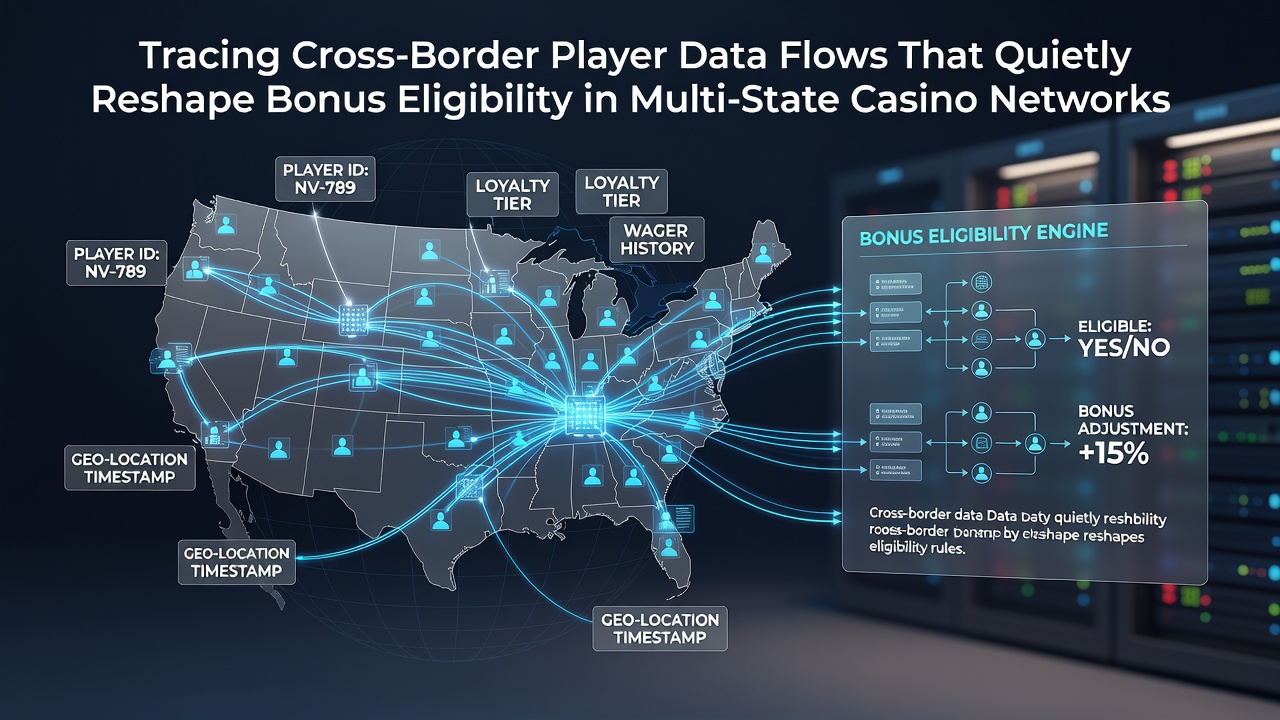
Player activity records now travel between state lines through shared casino network platforms, and these movements directly influence who qualifies for deposit matches, free spins, and tiered loyalty rewards. Operators running properties in New Jersey, Pennsylvania, Michigan, and West Virginia feed transaction histories into centralized systems that apply uniform bonus rules across jurisdictions.
How Data Moves Between Jurisdictions
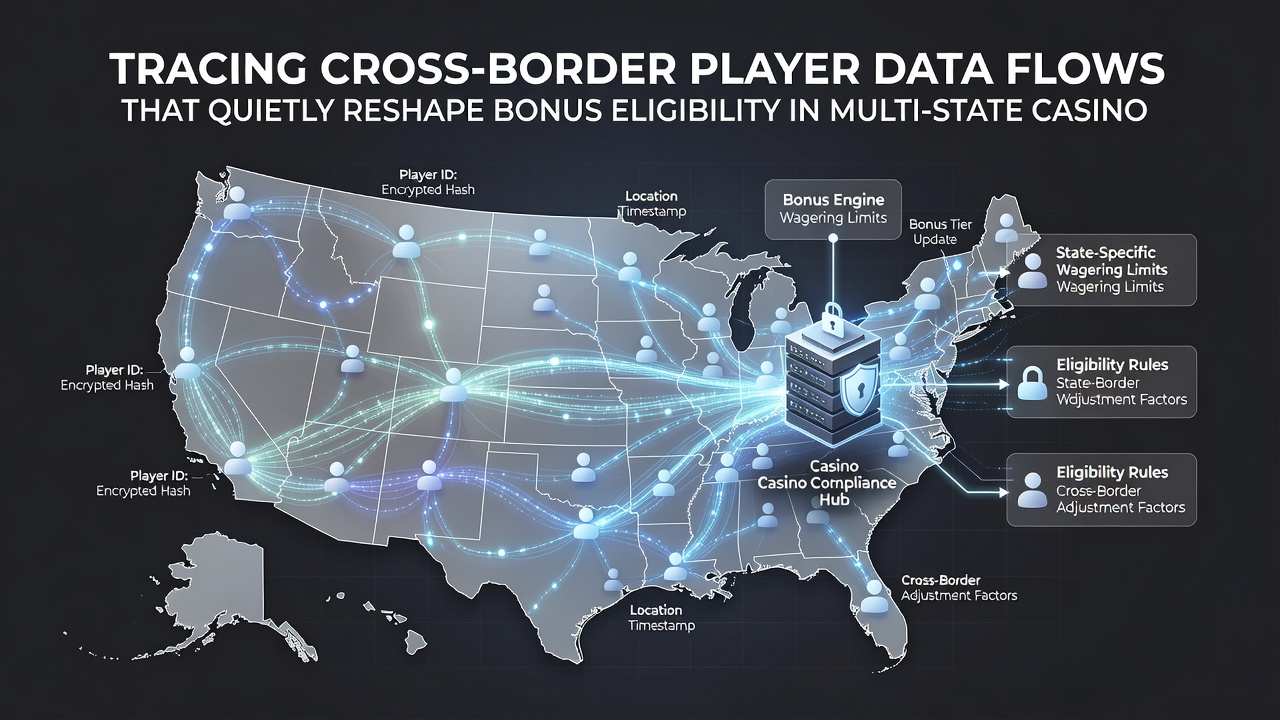
Centralized customer relationship management databases collect login timestamps, wager volumes, and deposit patterns from each state-licensed site before syncing them in real time. When a player registered in Pennsylvania places bets on a Michigan-licensed app operated by the same parent company, the system flags the activity under a single profile identifier. This identifier carries forward any restrictions previously triggered by activity in another state.
Regulatory agreements between gaming control boards allow limited sharing of responsible gaming flags and anti-money laundering alerts, yet the same pipelines also carry marketing data used for bonus calculations. In July 2026 several multi-state operators expanded these shared databases to include geolocation timestamps, creating more precise eligibility filters that exclude accounts showing recent play in restricted zones.
Bonus Structures Affected by Cross-State Records
Many welcome bonuses now include clauses that void rewards if the account history reveals play in any jurisdiction where the operator holds a license. A player who accepted a Pennsylvania deposit match and later registers in New Jersey may find the New Jersey bonus automatically declined because the system recognizes prior reward redemption under the same profile. These rules appear in terms updated during 2025 and 2026 license renewals.
Tiered loyalty programs calculate status points across all state platforms simultaneously, so high-volume play in one market accelerates qualification everywhere else in the network. Conversely, self-exclusion requests submitted in a single state propagate through the shared database and block bonus access across remaining markets for the exclusion period. Observers note that this synchronization reduces duplicate account creation while also limiting promotional opportunities for players who move between states.
Regulatory Oversight and Data Standards
State gaming commissions require operators to maintain audit logs of every data transfer that affects bonus eligibility determinations. The New Jersey Division of Gaming Enforcement and the Pennsylvania Gaming Control Board both mandate quarterly reports detailing how many bonus denials stemmed from cross-state profile matches. Similar reporting requirements exist in Michigan and West Virginia, creating a patchwork of documentation standards that operators must reconcile within unified platforms.
Industry groups such as the American Gaming Association have published guidance on minimum data security protocols for these interstate exchanges. Academic researchers at the University of Nevada, Reno examined transaction logs from 2024 through mid-2026 and documented consistent patterns where bonus eligibility changed within 48 hours of activity recorded in a second jurisdiction.
Practical Examples from Network Operations
One operator with properties in four states implemented a single bonus engine in early 2026 that recalculates available promotions nightly based on aggregated activity. Players attempting to claim a reload bonus after recent large withdrawals in any connected market receive automated messages citing prior account behavior. This approach aligns with existing rules against bonus abuse while reducing manual review workloads for compliance teams.
Another network introduced geofencing layers that tag sessions by state at the moment of play, then feeds those tags into eligibility algorithms. When a player crosses from a state offering cashback promotions into one that restricts them, the system withholds the cashback option until the profile satisfies a 30-day cooling period. Figures from internal operator presentations shared with regulators show a measurable drop in disputed bonus claims following this change.
Conclusion
Interstate data flows continue to tighten the connection between player histories and promotional access across multi-state casino networks. Regulators and operators both track these transfers through standardized reporting, and the resulting eligibility rules now operate with greater speed and consistency than earlier fragmented systems allowed. As additional states authorize online gaming, the same data pathways will likely expand, further linking bonus structures across jurisdictional boundaries.