Regulatory Tech Integrations Reshape Verification Protocols Across Global Table Game Platforms
Casey Krüger · Jul 15, 2026
Regulatory Tech Integrations Reshape Verification Protocols Across Global Table Game Platforms
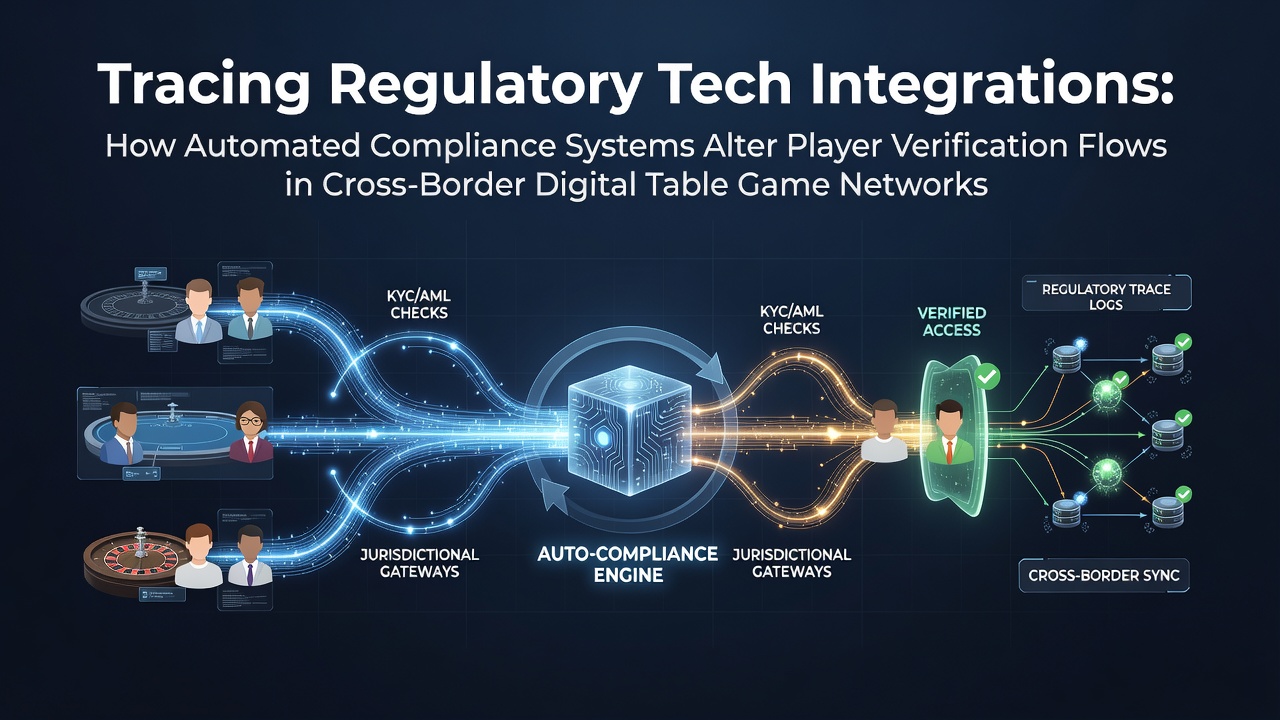
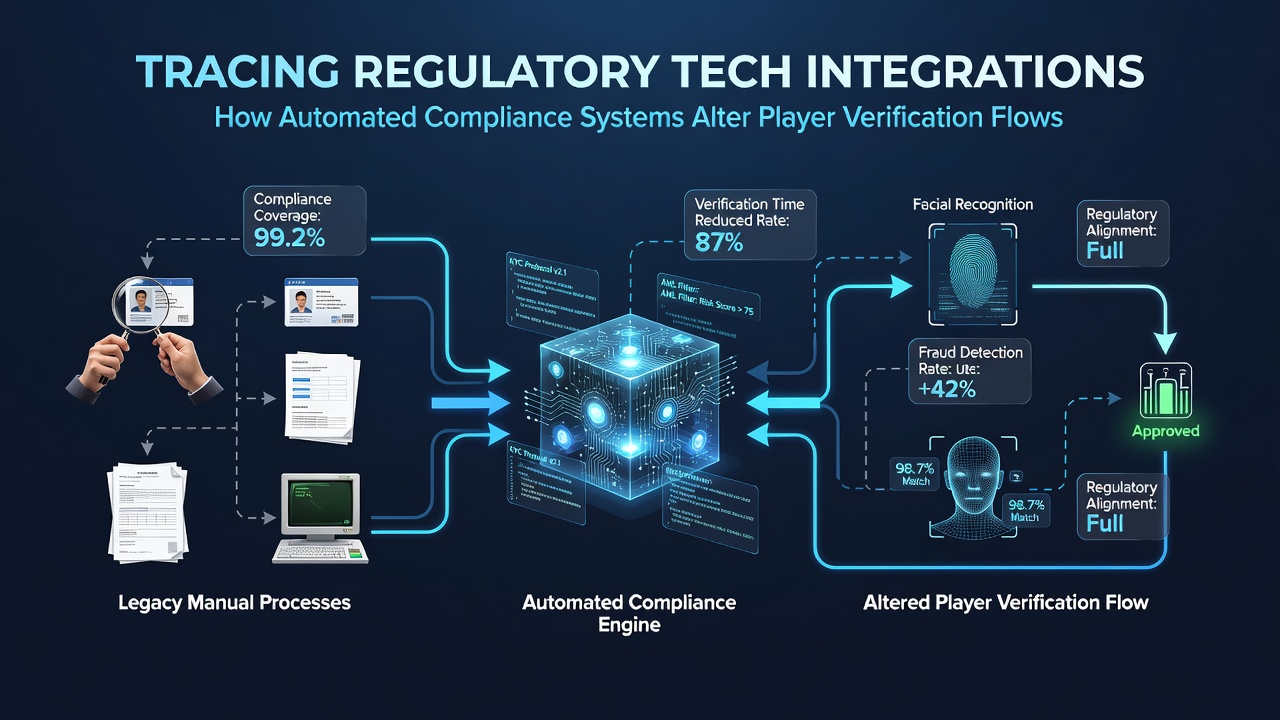
Regulatory technology has started merging directly with cross-border digital table game networks, and this integration changes how operators handle player verification at multiple stages of the user journey. Systems now pull data from government databases, biometric providers, and financial institutions through secure APIs, which reduces manual reviews while maintaining audit trails required by various jurisdictions.
Core Components of Automated Compliance Systems
These platforms combine know-your-customer modules with anti-money laundering screening tools that run continuous checks rather than one-time onboarding processes. Data indicates that operators using these integrations see verification completion times drop from several days to under an hour in many cases, according to reports shared by industry monitoring groups.
Table game networks spanning multiple countries must satisfy differing rules on identity proofing, so the technology layers adapt workflows based on the player's location and the specific game category involved. For instance, European operators often connect to national ID registries while Asian markets rely more on mobile-based facial recognition paired with document scanning.
Shifts in Player Verification Sequences
Traditional flows required players to upload documents upfront before accessing any table games, yet automated systems now allow limited play with progressive verification tiers that unlock higher stakes as checks complete. This staged approach appears in networks where blackjack or roulette sessions cross regulatory boundaries, and it lets operators remain compliant without blocking initial engagement.
Researchers tracking these changes note that real-time risk scoring engines evaluate transaction patterns and device fingerprints during live sessions, triggering additional prompts only when anomalies surface. Such dynamic handling replaces static checklists that once interrupted gameplay across borders.
Cross-Border Data Exchange Mechanisms
Secure data sharing between operators and regulators has expanded through standardized protocols that emerged around 2024, and these connections enable instant validation of player status without exposing full personal details. One study released by the European Gaming and Betting Association highlighted how API gateways now route verification requests to the appropriate national authority based on geolocation signals.
Canadian provinces and Australian states have adopted similar frameworks, which means a player moving between jurisdictions experiences seamless handoff of verified status rather than repeated onboarding. Figures from mid-2026 show increased adoption rates among operators managing multi-region table game traffic, driven by the need to meet evolving reporting deadlines.
Impact on Operational Workflows in July 2026
By July 2026, several major networks had integrated machine learning models that predict verification bottlenecks before they occur, allowing preemptive document requests during low-traffic periods. Observers tracking these deployments report fewer session abandonments because the systems prioritize speed while preserving the required compliance records.
Payment processors now feed directly into these verification layers, so deposit attempts trigger background scans that align with both gambling regulations and broader financial oversight rules. This interconnection reduces duplicate checks that previously slowed cross-border table game participation.
Future Integration Patterns Emerging in Regulated Markets
Academic papers from research institutions in North America and Europe point to growing use of decentralized identity solutions that let players control which verification attributes they share with operators. These developments maintain audit capabilities demanded by regulators while giving users more granular consent options.
Trade associations continue publishing guidance on interoperability standards that help smaller operators connect to the same compliance infrastructure used by larger platforms. Data from these organizations shows steady uptake across digital table game segments that operate internationally.
Conclusion
Automated compliance integrations continue altering verification sequences in cross-border digital table game networks by introducing adaptive, data-driven processes that replace earlier rigid procedures. Networks adopting these tools demonstrate measurable efficiency gains while meeting obligations across multiple regulatory environments. As more jurisdictions refine their requirements, the underlying technology stacks evolve to support faster yet secure player flows without compromising oversight standards.