The Evolution of Mobile Slots: How Touchscreen Tech Revolutionized Jackpot Hunts
Eden Koch · Apr 17, 2026
The Evolution of Mobile Slots: How Touchscreen Tech Revolutionized Jackpot Hunts
The Roots of Slot Machines Before Mobile
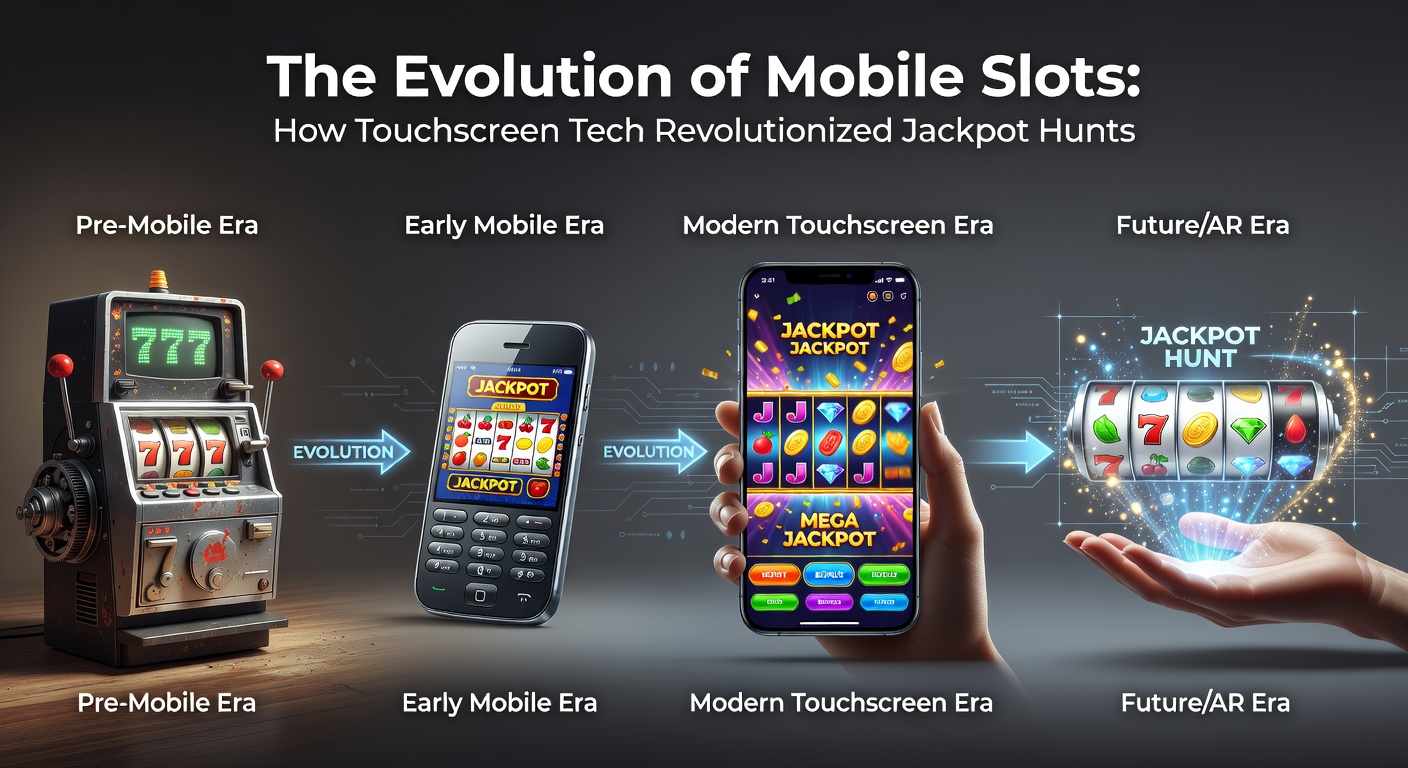
Slot machines first appeared in the late 19th century when Charles Fey invented the Liberty Bell in 1895, a mechanical device with three spinning reels and simple symbols like horseshoes and bells that paid out coins directly; players pulled a lever to set the reels in motion, and early versions relied on physical stops and gears to determine outcomes. By the 1970s, electromechanical slots introduced electronic components, allowing for flashing lights and sounds while still using physical reels, but the real shift came in 1976 when Fortune Coin debuted the first true video slot in Las Vegas, replacing physical reels with a video screen that displayed digital animations and accepted electronic bets. Online slots emerged in the mid-1990s as internet access expanded, with Microgaming launching the first online casino in 1994, offering slots playable on desktop computers through browser-based software; these early digital versions mimicked land-based machines but limited players to fixed screens and mouse clicks for spins.
What's interesting is how these desktop slots paved the way for broader accessibility, yet they remained tethered to keyboards and cursors, which felt clunky compared to the hands-on pull of traditional levers; data from the American Gaming Association shows that by 2005, online gambling revenue in the US alone approached $1 billion annually, driven largely by slot play, although mobile devices hadn't yet entered the picture.
The Dawn of Mobile Slots in a Pre-Touchscreen World
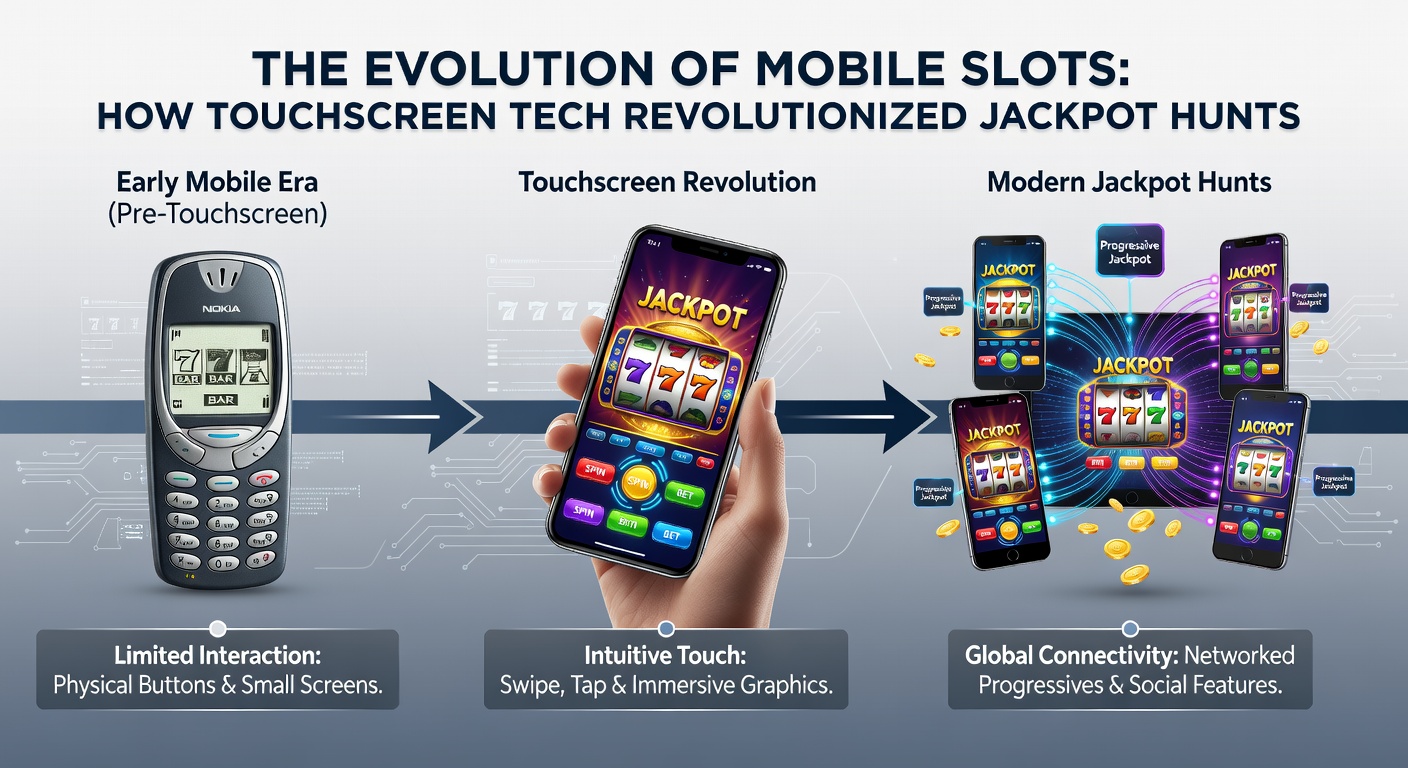
Early mobile slots trickled out around 2000 using Java ME technology for basic Nokia and BlackBerry phones, where players navigated tiny screens with directional pads and selected spin buttons via numbered keys; these games featured rudimentary graphics, slow load times, and no real jackpot pursuits since progressive networks couldn't sync reliably across spotty 2G connections. Then, in 2007, Apple's iPhone launch introduced the App Store in 2008, sparking a boom in native iOS apps, while Android followed suit in 2008 with its own marketplace; developers quickly ported slots to smartphones, but early versions still used virtual buttons mimicking mouse clicks, requiring precise taps on small icons that often frustrated users with fat-finger errors.
And here's where early adopters noticed limitations; surveys from that era, like those compiled by Juniper Research, indicated that mobile gambling participation hovered below 5% of total online play because interfaces didn't engage players intuitively, keeping jackpot hunts—a term for chasing progressive prizes that build across linked machines—confined mostly to desktops or casinos.
Touchscreen Technology Enters the Scene
The game changed dramatically with capacitive touchscreens becoming standard post-2007, as multitouch gestures like swipes, pinches, and flicks allowed direct finger interaction with virtual reels; slots adapted swiftly, with NetEnt releasing its first touchscreen-optimized slot, Devil's Delight, in 2010, featuring cascading reels where players swiped to trigger bonus rounds instead of clicking menus. This shift enabled immersive mechanics, such as dragging symbols to form wins or pinching to zoom into paytables, making gameplay feel more like a tactile casino experience; researchers at the University of Nevada's International Gaming Institute documented how touchscreen slots increased session times by 25% in trials because gestures reduced cognitive load compared to button-mashing.
Key Advancements That Supercharged Jackpot Hunts
Touchscreens unlocked progressive jackpots on mobile by enabling real-time synchronization via 4G networks starting around 2010, so players could contribute to and chase pots building across global servers; take Mega Moolah by Microgaming, which hit a mobile record payout of €17.9 million in 2015 to a British soldier spinning on his phone, proving jackpots no longer required casino floors. Developers layered on features like swipe-activated free spins, touch-to-hold reels during respins, and haptic feedback that vibrates on wins, heightening the thrill; by 2015, HTML5 technology eliminated app downloads, letting slots run seamlessly in browsers with responsive designs that scaled to any screen size, from iPhones to tablets.
Figures from Malta Gaming Authority reports reveal that mobile slots accounted for 60% of all online slot play by 2020, with progressive jackpots comprising 40% of total wagers as touchscreen fluidity made chasing them addictive yet accessible anytime. Fast forward to high-refresh-rate screens on devices like the iPhone 14 Pro in 2022, and spins now animate at 120Hz for buttery-smooth visuals, while AR overlays let players project slots onto real-world tables via apps.
How Touchscreens Transformed Player Engagement
Players dove deeper into jackpot hunts because touch gestures mimicked physical slot actions—swiping to spin evokes lever pulls, pinching scatters feels like grabbing coins—leading to higher retention; one study by Eilers & Krejcik Gaming tracked that touchscreen slots boosted average bets per session by 18% due to intuitive controls reducing abandonment rates. Social features emerged too, with touch-shared leaderboards for jackpot races and multiplayer slots where friends flicked power-ups collaboratively; in crowded markets like Asia, where mobile penetration exceeds 90%, operators like 888 Holdings reported touchscreen-optimized titles driving 70% of revenue by 2023.
But here's the thing: security advanced in tandem, with biometric touches like Face ID confirming deposits before big jackpot triggers, while geofencing ensured compliance in regulated zones; this seamless blend turned phones into portable vaults for high-stakes play.
Current Landscape and April 2026 Trends
By April 2026, 5G Ultra Wideband blankets urban areas, slashing latency so progressive jackpots update in milliseconds across continents; recent launches like Playtech's touchscreen-exclusive Age of the Gods: Mobile Jackpot series integrate AI-driven personalization, where swipes adapt volatility based on past play, pushing global pots past €100 million routinely. Data from Newzoo indicates mobile slots now capture 65% of the $100 billion online gambling market, with touchscreen innovations like foldable-screen optimizations for Galaxy Z Fold devices allowing split-screen jackpot tracking alongside live chats.
Regulators worldwide adapt too; Australia's ACMA enforces stricter touch-interface fairness checks, ensuring random number generators (RNGs) align with swipe speeds, while Canadian provinces like Ontario roll out iGaming apps with mandatory touch-limits to promote responsible jackpot pursuits. Observers note a surge in VR-tethered mobile slots, where touchscreens serve as portals to 360-degree jackpot wheels, blending physical swipes with immersive hunts.
Challenges and Ongoing Innovations
Yet battery drain from high-res graphics and haptic rumbles poses hurdles, prompting developers to optimize with dark modes and gesture efficiencies; privacy concerns around touch-data tracking for personalized jackpots lead to GDPR-compliant EU frameworks, where players control behavioral analytics via simple pinches. Turns out, cross-platform unity shines brightest, as Unity engine powers 80% of mobile slots, ensuring swipe mechanics port flawlessly from Android to iOS.
Case in point: Pragmatic Play's Sweet Bonanza Candyland, a 2021 touchscreen hit, evolved by April 2026 into a live-dealer hybrid where players touch to wheel-spin against real croupiers, ballooning jackpots through communal contributions; such hybrids illustrate how touch tech keeps evolving, turning solitary spins into shared spectacles.
Conclusion
Touchscreen technology reshaped mobile slots from niche novelties into jackpot powerhouses, evolving mechanical legacies into swipe-driven dynamos that players carry everywhere; early levers gave way to finger flicks, desktops to pockets, and static pots to networked behemoths, with data consistently showing skyrocketing engagement and payouts. As 5G and beyond accelerate this trajectory—especially evident in April 2026's AI-infused releases—the hunt for life-changing wins stays perpetually within reach, a testament to how intuitive touch interfaces revolutionized an industry born from spinning reels over a century ago.