Virtual Reality Integration Reshapes Table Game Dynamics at International Casino Platforms
Amir Krüger · Aug 5, 2026
Virtual Reality Integration Reshapes Table Game Dynamics at International Casino Platforms
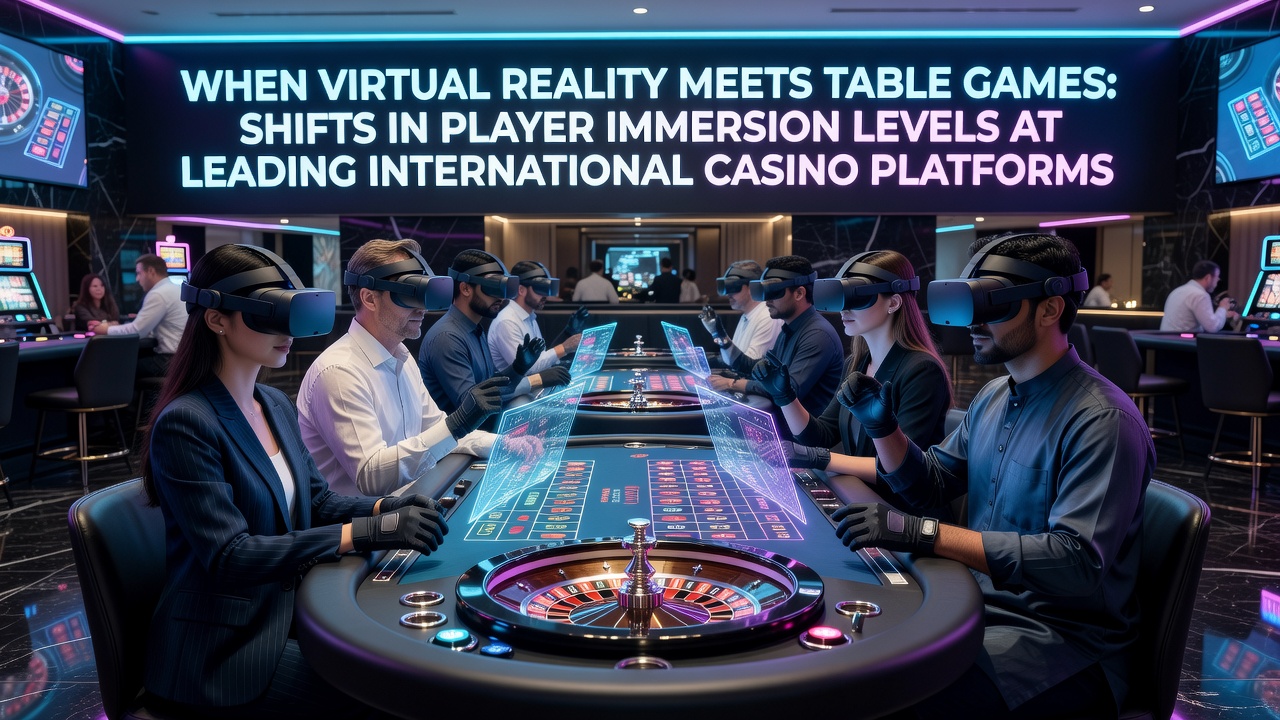
Virtual reality systems now combine with table game formats such as blackjack, roulette, and poker at multiple regulated casino platforms operating across Europe, Asia, and North America, and data from operator reports show measurable changes in session duration along with player engagement patterns. Platforms in jurisdictions including New Jersey, Ontario, and Singapore have rolled out VR modules since 2024, while August 2026 figures from several providers indicate continued expansion of these features into live dealer environments.
Hardware requirements typically include headsets with 6-degree-of-freedom tracking and haptic gloves that simulate card handling or chip stacking, and developers report that these components reduce the visual disconnect between physical gestures and on-screen outcomes. Integration occurs through existing RNG engines or live-streamed tables, which allows operators to maintain compliance with regional licensing standards while adding layered visual overlays for betting interfaces and dealer interactions.
Technical Implementation Across Markets
Leading platforms deploy VR table games through dedicated applications that connect to centralized servers, and synchronization protocols ensure real-time updates for multi-player tables that span different time zones. In Ontario, the Alcohol and Gaming Commission of Ontario has documented operator submissions detailing latency thresholds below 50 milliseconds for VR sessions, whereas similar metrics appear in filings with the Nevada Gaming Control Board for U.S.-based services. These standards support consistent rendering of card decks and wheel spins, which in turn affects how participants perceive game flow during extended play periods.
Content libraries now feature customizable table environments ranging from classic casino floors to stylized virtual settings, and analytics from platform dashboards reveal that players select themed rooms at rates that vary by demographic segment. Software updates released in early 2026 incorporated eye-tracking adjustments that shift camera perspectives based on user focus, and preliminary internal testing at several firms shows this feature correlates with longer average session times in poker variants.
Measured Changes in Immersion Indicators
Industry reports compiled by the European Gaming and Betting Association track self-reported immersion scores collected through post-session surveys, and those figures indicate higher ratings for VR-enabled table games compared with standard mobile interfaces. Researchers at the University of Sydney published findings in 2025 that linked VR table game exposure to altered heart-rate variability patterns during simulated betting sequences, although the study emphasized the need for further longitudinal data across diverse player groups.
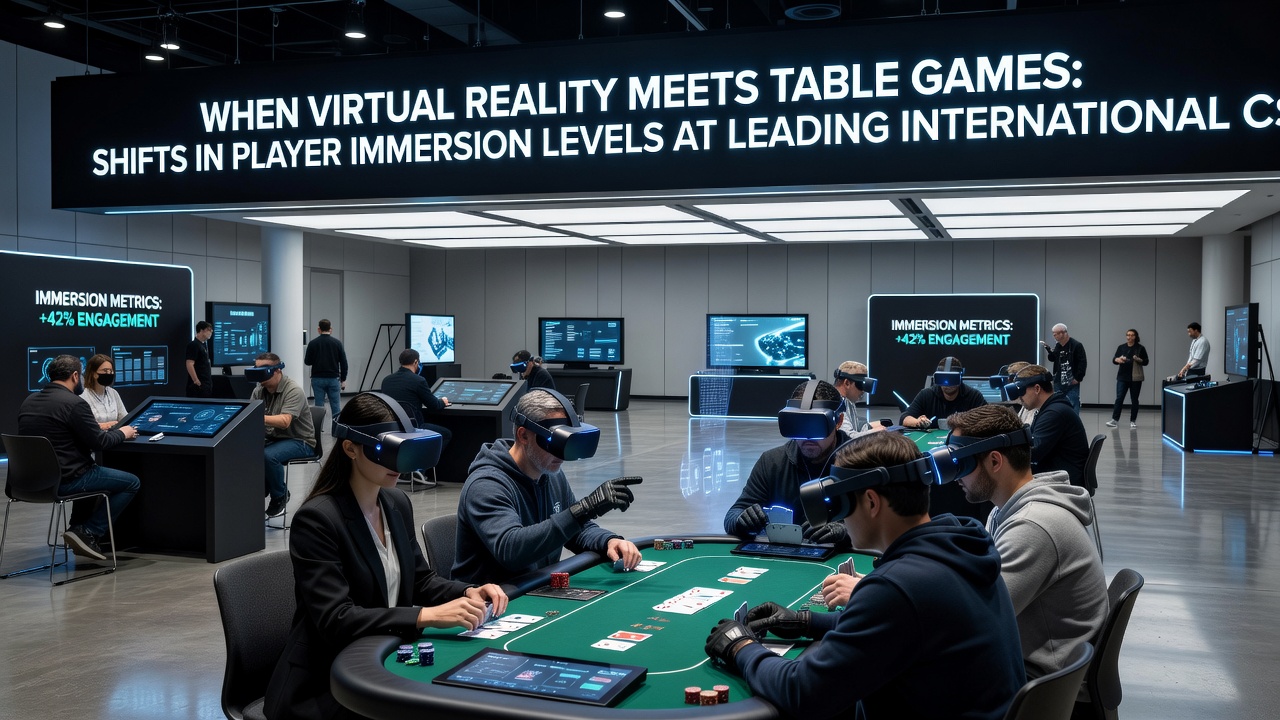
Transaction logs from cross-border sessions demonstrate that VR users complete more betting cycles per hour in roulette formats, while poker participants exhibit extended decision times when virtual avatars replace text-based opponents. Canadian regulatory summaries note that responsible gaming tools, including session timers and deposit limits, integrate directly into VR environments without requiring players to exit the headset view, which maintains continuity during play.
Regulatory and Operational Considerations
Compliance frameworks in multiple regions require age verification and geo-location checks before VR access activates, and platforms have implemented these checks through headset-linked accounts that tie into existing player databases. The National Council on Problem Gambling has referenced emerging VR formats in its 2026 awareness materials, highlighting the importance of clear exit pathways within immersive spaces. Operators report that staff training programs now include modules on monitoring VR-specific behavioral indicators such as prolonged headset usage without breaks.
Bandwidth demands for high-resolution VR streams have prompted partnerships with regional telecom providers in markets like Australia and Japan, where dedicated network slices support stable connections during peak hours. Data from these collaborations show reduced packet loss during live dealer VR sessions, which contributes to smoother card dealing animations and real-time chat functions among participants.
Future Trajectory and Platform Adaptations
Platform roadmaps shared at industry events scheduled for late 2026 outline plans to incorporate mixed-reality elements that blend physical casino spaces with virtual overlays, and early pilot programs in select European venues test these combinations with existing table game floors. Academic teams continue to examine cognitive load metrics associated with VR table play, and initial results suggest variations based on prior gaming experience levels among participants.
Cross-platform compatibility efforts aim to allow users to transition between desktop, mobile, and VR versions of the same table game accounts, preserving loyalty progress and balance information throughout. Figures released by the World Lottery Association indicate steady growth in VR table game offerings among member organizations, particularly in jurisdictions that updated remote gaming regulations during 2025.
Conclusion
Virtual reality applications continue to expand within table game offerings at international casino platforms, supported by hardware improvements, regulatory adaptations, and ongoing data collection on player interaction patterns. Reports from diverse geographic sources document both technical specifications and usage statistics that shape current deployment strategies, while research institutions examine associated behavioral and operational factors. These developments remain subject to further refinement as platforms respond to evolving compliance requirements and connectivity infrastructure across regions.